
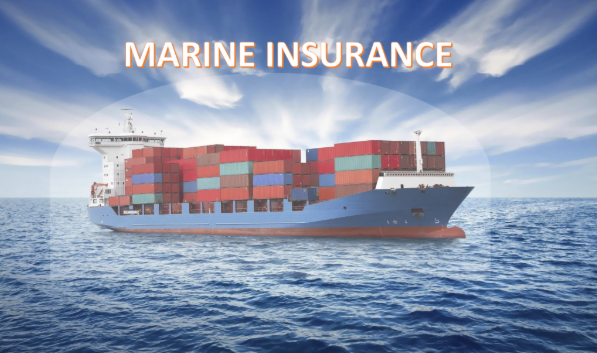
Maritime operations are associated with a different set of risks compared to land operations. Ships cross the seas where no country has jurisdiction, the personnel live in constant danger, and even a slight error can result in serious injuries, loss of property, or environmental damage. The occurrence of an accident in the ocean always brings one important question along. Who has the legal responsibility?
This is when marine liability steps into the picture. A solid grip of the functioning of maritime liability is a must for the owners, operators, employers, and offshore businesses. It safeguards your enterprise against not only financial loss but also the exposure to legal suits, while at the same time, the injured parties get what they deserve in terms of compensation.
What Is Maritime Liability?
Maritime liability refers to the legal obligation that arises from accidents occurring on navigable waters and resulting in injuries, death, property damage, or pollution. Maritime liability insurance is not the same as ordinary business liability; it is a special legal area governed by a mix of federal maritime law, international treaties, and less rigorous sector-specific regulations rather than the more strict business liability.
These regulations are applicable to all the water bodies accessible for trade—oceans, seas, rivers, etc. The liability issue in maritime matters can arise from the use of commercial vessels, offshore installations, cargo liners, tugs, barges, and also from the operation of ferry boats carrying passengers.
In essence, maritime liability is all about fixing the blame and charging the responsible party with the liability to compensate for the losses resulting from an accident at sea.
Common Maritime Accidents That Create Liability
Maritime liability claims often arise from serious incidents, including:
- Crew injuries or fatalities
- Passenger injuries
- Vessel collisions or allisions
- Cargo damage or loss
- Oil spills and pollution events
- Fires, explosions, or mechanical failures
- Dock and port accidents
Each situation involves different legal standards, which makes maritime liability more complex than land-based claims.
Who Can Be Held Responsible Under Maritime Liability?
Responsibility after a maritime accident depends on the facts of the case, the type of vessel, and the role of each party involved. In many cases, more than one party may share liability.
Vessel Owners
Owners of the ships are usually the ones who are most accountable. They are obligated by law to make sure that the vessel they own is fit for sea. That covers not only the maintenance but also the safety of the equipment and the hiring of qualified crew members.
Vessel Operators and Charterers
Those who manage the vessels’ daily operations, be it the operators or the charterers, may also be held liable. In case of an accident caused by negligence in navigation, loading, or crew supervision, the liability may be imposed on the operator instead of the owner.
Employers of Maritime Workers
Employers’ responsibility towards seamen and other maritime workers is quite particular. The laws, for instance, the Jones Act, hold the employers liable for the injuries due to unsafe working conditions, inadequate training, or the employer’s negligence.
Captains and Crew Members
In particular situations, some crew members may bear a part of the blame if their direct actions were the cause of the accident. Indulging in alcohol, disobeying rules, and risky conduct are the usual factors in such cases.
Cargo Owners and Third Parties
If the acts or the goods of the cargo owners, maintenance contractors, port authorities, or equipment makers were contributory to the event, they too might be liable.
Key Maritime Laws That Affect Liability
Maritime liability is shaped by several important laws. Understanding these helps clarify who is responsible after an accident.
The Jones Act
The Jones Act assures the disheartened sailors, who get hurt aboard a ship, a safe shore. The act gives them the right to file a case against their employer and get compensated for the harm caused. Just a tiny bit of an employer’s negligence can make them responsible under this act.
General Maritime Law
This law encompasses the problems associated with a ship not being fit for the intended purpose, providing a seaman with medical care, and curing a seaman. The owners of a ship are obliged to pay for the medical care and provide basic living expenses for the injured sailors until they fully recover.
Longshore and Harbor Workers’ Compensation Act
This legislation is meant for the people who work on the docks, in the shipyards, and other maritime workers who are not seamen. It takes care of the work-related injury benefits and also restricts employer litigation in certain instances.
Limitation of Liability Act
In particular cases, ship owners may try to limit their liability to the worth of the ship post-accident. This is a difficult legal procedure and does not apply to scenarios where negligence or unseaworthiness has been established.
How Fault Is Determined After an Accident at Sea
Determining fault in maritime accidents is rarely simple. Investigations often involve:
- Accident reports and vessel logs
- Witness statements
- Coast Guard investigations
- Maintenance and safety records
- Weather and navigation data
Fault may be shared between multiple parties. Courts often assign percentages of responsibility, which directly affects how damages are paid.
Types of Damages Covered by Maritime Liability
Maritime liability claims may involve significant financial exposure, including:
- Medical expenses
- Lost wages and future earnings
- Pain and suffering
- Vessel repair or replacement costs
- Cargo loss or damage
- Environmental cleanup costs
- Legal defense expenses
Without proper insurance, these costs can threaten the survival of a maritime business.
Why Maritime Liability Insurance Is Critical
Standard commercial insurance does not adequately cover maritime risks. Maritime liability insurance is designed to address the unique exposures faced by vessel owners and operators.
Policies may include:
- Protection and Indemnity coverage
- Crew injury liability
- Collision and property damage liability
- Pollution liability
- Legal defense costs
The right coverage helps ensure that one accident does not derail your operations or finances.
Conclusion: Understanding Maritime Liability Protects Your Business
Maritime liability refers to the legal obligation that arises from accidents occurring on navigable waters and resulting in injuries, death, property damage, or pollution. Maritime liability is not the same as ordinary business liability; it is a special legal area governed by a mix of federal maritime law, international treaties, and less rigorous sector-specific regulations rather than the more strict business liability.
In case your enterprise functions in sea or offshore areas, you necessarily have to have insurance that corresponds to the actual risks you encounter. TWFG Khan Insurance Services is an expert in providing insurance coverage for such industries that involve high risk and strict compliance, one of which is the maritime operations sector.Feel free to reach out to TWFG Khan Insurance Services then, so that together you can assess your maritime liability exposure and obtain a policy that will cover your vessels or personnel, or company at those critical times.

