
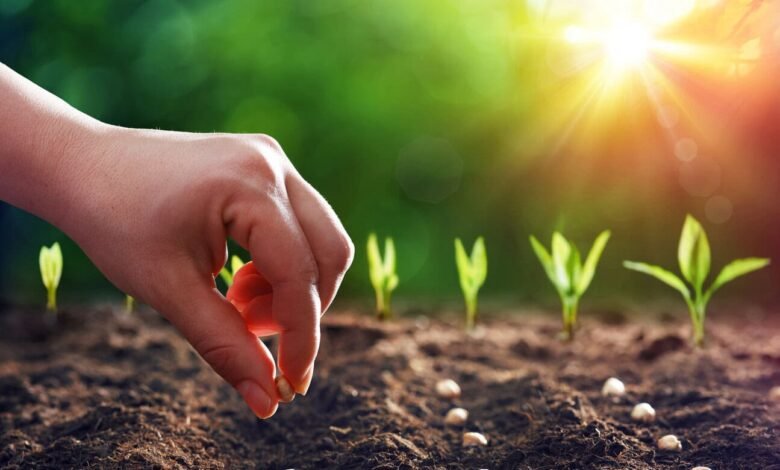
Organic gardening is about more than avoiding synthetic chemicals. It involves making thoughtful choices throughout the entire growing process, from preparing the soil to managing pests and selecting what to plant. One of the earliest and most important decisions a gardener makes is choosing the right seeds. Starting with organic vegetable seeds can help gardeners create a growing system that aligns with organic gardening principles from the beginning. Seed quality, variety, growing conditions, disease resistance, and the intended use of the harvest can all influence how successful a garden becomes. Choosing seeds carefully can save time, reduce frustration, and give plants a stronger foundation for healthy growth.
Seeds Are the Starting Point of the Garden
Every vegetable garden begins with a seed or young plant. The characteristics of that seed influence what the plant may become, including its growth habit, flavor, harvest time, size, and ability to handle certain environmental conditions. Organic gardeners often pay close attention to soil health, compost, watering, and natural pest control, but seed selection deserves the same level of consideration. Seeds that are well suited to the growing environment have a better chance of developing into healthy plants. A variety that performs well in one climate may struggle in another because of differences in temperature, rainfall, humidity, or growing season length. Selecting the right seed from the beginning helps gardeners build a more reliable planting plan instead of trying to solve avoidable problems later.
Organic Seeds Support Organic Growing Goals
Gardeners who want to follow organic practices may prefer seeds produced under organic growing standards. Certified organic seeds are produced according to established organic requirements rather than conventional farming methods. For gardeners who want their entire garden process to reflect organic principles, starting with organically produced seed can be a natural choice. This can be especially important for people growing vegetables for an organic farm, market garden, community project, or home garden where the production method matters. Seed choice is only one part of organic gardening, but it can help create consistency between how the seed was produced and how the resulting crop is grown.




Choose Varieties That Match Your Climate
One of the most important factors in seed selection is climate. Some vegetable varieties perform better in cool weather, while others need long periods of warmth. Certain crops tolerate heat better, while others may stop producing when temperatures rise. Gardeners should consider factors such as frost dates, summer temperatures, rainfall patterns, and the length of the growing season. For example, a gardener with a short growing season may benefit from early-maturing varieties. Someone gardening in a hot climate may want vegetable varieties known for better heat tolerance. Choosing climate-appropriate vegetable varieties can reduce plant stress and improve the likelihood of reaching harvest before challenging weather arrives. A seed that matches local conditions often requires less intervention than a variety struggling against an unsuitable climate.
Disease Resistance Can Make Gardening Easier
Plant diseases can quickly reduce the productivity of a vegetable garden. Tomatoes, cucumbers, squash, beans, and many other vegetables may be affected by common fungal, bacterial, or viral problems. While good spacing, crop rotation, watering practices, and soil management can help reduce disease pressure, variety selection can also play an important role. Some seeds are bred or selected for resistance to specific plant diseases. Choosing disease-resistant varieties can be especially useful in organic gardening because gardeners often prefer preventive strategies rather than relying on treatments after a serious problem develops. Disease resistance does not mean a plant can never become sick. It simply means the variety may be better able to tolerate or resist certain problems under suitable growing conditions. Strong seed selection can become part of an overall garden management strategy.
Seed Quality Can Affect Germination
Gardeners need seeds that can germinate reliably. Poor-quality, damaged, or improperly stored seed may produce uneven results. Some seeds may fail to sprout, while others may create weak seedlings that struggle after emerging. Quality garden seeds for vegetables should be stored correctly and planted according to the recommended depth, soil temperature, and moisture requirements. Gardeners should also pay attention to the age of their seeds. Some vegetable seeds remain viable for several years under good storage conditions, while others lose germination strength more quickly. When using older seed, a simple germination test can help determine whether enough seeds are still viable before planting an entire garden bed. Reliable germination creates more consistent spacing and can reduce the need for repeated sowing.
Think About How Much Space You Have
Not every vegetable variety fits every garden. Some plants spread widely, grow tall, or require considerable room between plants. Others have compact growth habits that work well in raised beds, containers, or small backyard spaces. Before buying seeds, gardeners should consider the amount of growing space available. A compact tomato variety may work better in a container garden, while a vigorous climbing variety may be ideal for a large garden with sturdy support. Bush beans may be convenient when gardeners want compact plants, while pole beans can make better use of vertical space. Choosing varieties based on available space helps prevent overcrowding and makes the garden easier to maintain.
Harvest Goals Should Guide Seed Selection
Different gardeners grow food for different reasons. Some want fresh vegetables for everyday meals. Others want enough produce for freezing, canning, drying, or sharing. Market gardeners may need varieties that produce consistently and hold up well after harvest. Seed choice should reflect these goals. A gardener who wants tomatoes for sauces may select varieties with firm flesh and lower moisture. Someone who wants fresh tomatoes for salads may focus more on flavor and texture. Gardeners interested in preserving food may choose varieties that mature around the same time, while those who want a continuous harvest might select varieties with different maturity dates. Thinking about how the vegetables will be used can make seed selection more purposeful.
Open-Pollinated Seeds Offer Additional Options
Some organic gardeners are interested in open-pollinated vegetable seeds because they may allow growers to save seed from healthy plants for future seasons when proper seed-saving techniques are followed. Open-pollinated varieties reproduce through natural pollination, and many can produce plants with characteristics similar to the parent plants when kept properly isolated. This can appeal to gardeners who want to become more self-sufficient or maintain varieties they particularly enjoy. Seed saving requires knowledge because certain vegetables can cross-pollinate with related varieties. Gardeners should learn the specific requirements of each crop before expecting saved seed to remain true to type. Still, choosing appropriate varieties can create opportunities for gardeners who want to take a more active role in preserving seeds from season to season.
Diversity Can Make the Garden More Resilient
Planting several vegetable varieties can help reduce the risk of losing an entire crop to one problem. Different varieties may respond differently to temperature changes, disease pressure, insects, and moisture conditions. For example, one lettuce variety may handle heat longer than another. One tomato may perform better during a rainy season, while another may produce more reliably under dry conditions. Growing a diverse selection of vegetables can also extend harvest periods and provide more variety in the kitchen. A garden with different colors, flavors, textures, and maturity dates can be both productive and enjoyable. Seed diversity gives gardeners more opportunities to discover which varieties perform best under their specific conditions.
Good Seeds Still Need Healthy Soil
Choosing excellent seeds does not replace good gardening practices. Even the best seeds may struggle in compacted, poorly drained, or nutrient-deficient soil. Organic gardens benefit from healthy soil containing organic matter and supporting active soil life. Compost, crop rotation, mulch, proper irrigation, and careful soil management can all contribute to better plant development. Seeds also need the correct planting depth and soil temperature for successful germination. For this reason, seed choice and soil care should work together rather than being treated as separate parts of the garden. Healthy soil gives carefully selected seeds a better environment in which to reach their potential.
Plan Before Purchasing Seeds
It can be tempting to choose seeds based only on attractive vegetables pictured on a packet, but careful planning usually produces better results. Before purchasing organic vegetable seeds, gardeners should think about their climate, garden size, soil conditions, planting schedule, disease concerns, and harvest goals. Creating a simple planting list can prevent overbuying and help gardeners focus on varieties they realistically have space and time to grow. It can also be useful to record which varieties perform well each year. Notes about germination, harvest dates, flavor, productivity, and pest or disease issues can guide future seed choices. A little planning before planting can lead to a more organized and productive garden.
Better Seed Choices Can Lead to Better Growing Results
Organic gardening depends on many connected decisions. Soil health, watering, pest management, crop rotation, and proper timing all matter, but the process begins with selecting what will be planted. Choosing organic vegetable seeds that match the local climate, available space, harvest goals, and garden conditions can help plants start with a stronger foundation. Gardeners can also look for desirable traits such as disease resistance, suitable maturity times, compact growth, or seed-saving potential. There is no single variety that works perfectly for every garden. The best seed choices are the ones that fit the gardener’s specific environment and goals. Careful seed selection can make the growing season easier to manage while supporting healthier plants and more satisfying harvests.