
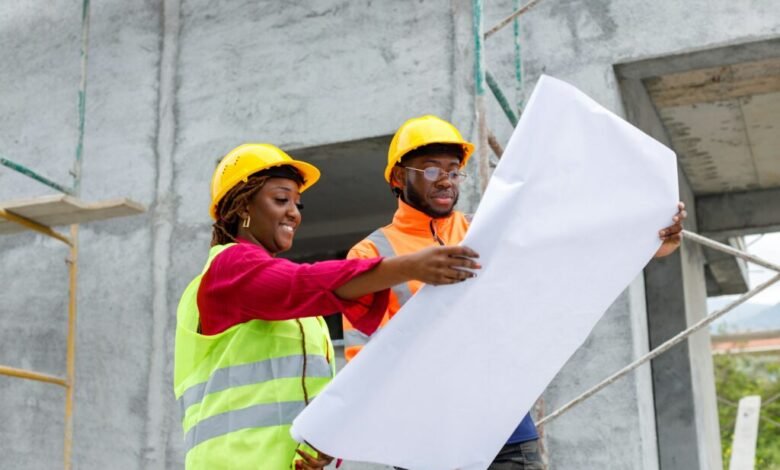
The construction industry is evolving as builders, architects, developers, and property owners look for ways to reduce environmental impact without sacrificing performance. Sustainable construction combines responsible material selection, efficient building methods, waste reduction, and thoughtful design. These practices can lower resource consumption, improve long-term operating efficiency, and create structures designed to perform responsibly throughout their life cycle.
Understanding Sustainable Construction
Sustainable construction is an approach that considers the environmental, economic, and social effects of a building throughout its life cycle. Rather than focusing only on what happens during construction, sustainable projects consider material sourcing, transportation, energy consumption, maintenance, durability, and eventual reuse or disposal.
This broader perspective can influence nearly every decision on a project. Builders may evaluate the environmental impact of raw materials, choose products with recycled content, design buildings to use less energy, or incorporate systems that reduce water consumption. The objective is to create structures that meet today’s needs while minimizing unnecessary resource use over time.
Sustainable construction does not necessarily mean selecting the newest or most technologically advanced product available. In many cases, choosing durable materials that require fewer replacements can provide substantial environmental benefits. A material that performs reliably for decades may reduce the resources associated with repairs, replacements, manufacturing, and transportation.
Choosing Materials With Greater Sustainability
Material selection is one of the most significant areas where construction projects can improve sustainability. The materials used in a building influence its embodied carbon, energy consumption, durability, maintenance requirements, and potential for reuse or recycling.
Recycled and recyclable materials can play an important role in reducing the demand for newly extracted resources. Metals are particularly valuable in this respect because many can be recycled without losing their fundamental properties. Using recycled content where appropriate can help conserve raw materials while supporting more efficient resource management.
Durability should also be considered when evaluating sustainability. Materials that can withstand demanding conditions may have a longer service life and require fewer replacements. This can reduce the environmental costs associated with manufacturing and transporting replacement products.
Local sourcing can provide another opportunity to make material choices more sustainable. When suitable products are sourced closer to the construction site, transportation distances may be reduced. For example, evaluating options for steel supply in Salt Lake City can help project teams consider availability, transportation requirements, material specifications, and the overall logistics of a construction project.
Evaluating Material Life Cycles
A life-cycle perspective can help construction professionals make more informed choices. Instead of evaluating a material solely by its initial purchase price, teams can consider how it performs from production through installation, use, maintenance, and eventual end-of-life management.
Life-cycle considerations may include a product’s expected lifespan, maintenance requirements, recyclability, energy performance, and transportation impact. This approach can reveal that a material with a higher upfront cost may provide greater value if it lasts longer or contributes to lower operating expenses.
Reducing Construction Waste
Construction and demolition activities can generate substantial amounts of waste, making waste reduction an important component of sustainable building practices. Preventing unnecessary waste starts before materials reach the job site.
Accurate planning, measurements, and material estimates can reduce overordering. Digital modeling and detailed project coordination can also help identify conflicts before construction begins, potentially reducing rework and discarded materials. Ordering materials in appropriate quantities and dimensions can further limit excess.
When waste does occur, sorting materials can make reuse and recycling more practical. Metals, wood, concrete, cardboard, and other materials may have opportunities for recovery depending on their condition and local waste-management infrastructure.
Designing For Material Efficiency
Material efficiency means using resources strategically rather than simply using less material at every opportunity. Engineers and architects can consider structural requirements, product dimensions, construction methods, and building layouts to reduce unnecessary material use while maintaining safety and performance.
Prefabrication and modular construction can also support waste reduction in suitable applications. Components manufactured in controlled environments may allow for more precise measurements and efficient material use. These approaches can also improve consistency and potentially reduce the amount of work required at the construction site.
Improving Energy And Water Efficiency
Sustainable construction extends beyond the physical materials used to build a structure. Energy and water efficiency can have a significant effect on a building’s long-term environmental footprint and operating costs.
Design strategies may include improved insulation, energy-efficient windows, efficient heating and cooling systems, and building orientations that take advantage of natural light. Depending on the project’s location and purpose, renewable energy systems may also be incorporated to reduce reliance on conventional energy sources.
Water efficiency is another important consideration. Low-flow fixtures, efficient irrigation systems, rainwater management, and appropriate landscaping can help reduce unnecessary water consumption. Building systems should be selected based on the property’s expected use and local environmental conditions.
The most effective approach often begins with the building’s design rather than attempting to add efficiency measures after construction is complete. Early planning allows architects, engineers, contractors, and owners to coordinate systems and materials so that sustainability becomes an integrated part of the project.
Considering Building Performance
A sustainable building should perform efficiently after construction is finished. Energy modeling, performance monitoring, and commissioning can help project teams verify that building systems operate as intended.
Long-term performance matters because a building’s environmental impact does not end when construction crews leave the site. A structure that uses excessive energy or requires frequent repairs can offset some of the benefits achieved through responsible material selection.
Adopting Responsible Construction Practices
Sustainable construction depends not only on what is purchased but also on how materials are handled and how work is performed. Responsible construction practices can reduce waste, improve efficiency, and support safer, more organized job sites.
Proper material storage is one simple example. Protecting products from moisture, contamination, damage, and unnecessary exposure can prevent materials from becoming unusable before installation. Organized storage can also make it easier for crews to locate and use materials efficiently.
Construction teams can also examine transportation and equipment use. Consolidating deliveries, planning efficient routes, maintaining equipment, and reducing unnecessary idling may help limit fuel consumption and emissions. Although individual improvements may appear small, consistent practices across a project can contribute to meaningful resource savings.
Supplier coordination is equally important. Reliable delivery schedules can reduce unnecessary trips and help prevent materials from sitting on a job site for extended periods. Clear communication among suppliers, contractors, and project managers can improve planning and reduce avoidable inefficiencies.
Building For Durability And Adaptability
One of the most effective ways to make a structure more sustainable is to design it for a long service life. Durable buildings can reduce the need for frequent repairs, renovations, and replacements, which in turn can lower material consumption over time.
Durability depends on more than choosing strong products. Building design, installation quality, environmental exposure, maintenance planning, and appropriate material specifications all influence how well a structure performs. Materials should be selected according to the conditions they will encounter throughout their expected service life.
Adaptability is also becoming an important consideration. Buildings designed to accommodate changing needs may remain useful for longer periods. Flexible floor plans, accessible systems, and components that can be repaired or replaced independently can make future renovations more practical.
Planning For Reuse And Recycling
End-of-life planning can further improve the sustainability of a construction project. Designers can consider how materials and components might be removed, reused, refurbished, or recycled when a building is renovated or eventually demolished.
Designing for disassembly can make it easier to recover valuable materials rather than sending them to a landfill. Clearly documented material information can also help future owners and contractors understand what products were used and how they may be handled at the end of their useful life.
Making Sustainability A Long-Term Strategy
Sustainable construction is most effective when it is treated as a project-wide strategy rather than a collection of isolated decisions. Owners, architects, engineers, contractors, suppliers, and occupants all have roles to play in improving a building’s environmental performance.
Project teams should establish sustainability objectives early and determine how those objectives will be measured. Goals might include reducing construction waste, improving energy efficiency, increasing recycled material use, limiting water consumption, or extending the expected service life of building components.
Cost should remain part of the conversation, but it should not be the only measure of value. Sustainable choices can produce benefits over many years through lower operating expenses, reduced maintenance, improved durability, and greater resource efficiency.
As construction practices continue to evolve, sustainability will increasingly depend on practical decisions supported by careful planning. Choosing appropriate materials, minimizing waste, improving building efficiency, and designing for long-term performance can help create structures that are both functional and environmentally responsible.
Conclusion
Sustainable materials and practices are transforming modern construction by encouraging better resource management, greater durability, lower waste, and improved building efficiency. From selecting recyclable materials to planning for energy and water conservation, every project decision can influence long-term performance. By integrating sustainability into design, sourcing, construction, and maintenance, industry professionals can create durable buildings that deliver lasting value while reducing their environmental impact.


