
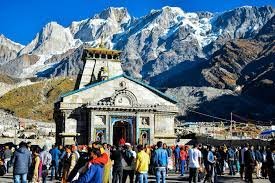
If you’re planning the sacred trek to Kedarnath Dham in 2026, timing is everything. Weather, temple opening/closing, helicopter/ticket availability, crowd levels and safety all change by the week in the high Himalaya — so this guide focuses on the practical: when to go in 2026, why those windows matter, and how to plan so your yatra is smooth, safe and spiritually rewarding.
Quick headline — recommended windows for 2026
- Best single window (most reliable): Late April (after opening) → mid-June. Clear weather, cool days, fewer clouds, good trekking conditions. The 2026 reopening has been formally announced for 22 April 2026.
- Second good window: Late September → mid-October (before winter closure). Post-monsoon clarity and dramatic Himalayan vistas — but days are shorter and nights colder.
- Avoid if possible: Peak monsoon (late June → August) because of landslide risk and frequent road closures; deep winter (late October → April) when the temple is closed and heavy snow makes access impossible.
Why those dates matter (official schedule & temple timings)
The Kedarnath shrine follows a strict annual rhythm: it is closed through winter and reopens in spring. For 2026, the official reopening of the Kedarnath Temple has been announced for 22 April 2026, making the immediate weeks after that one of the most practical times to go (roads are clear, helicopters and guest houses are gearing up). The Char Dham / BKTC portal and Uttarakhand authorities publish the detailed schedule and registration instructions every year; check the official site for final confirmations and registration requirements before booking.
Closing usually occurs in October or November before heavy snowfall; 2026’s precise closing date will be published by the temple committee but historically falls around the Kartik / Bhai Dooj period (late Oct). Plan to finish the yatra before the official closure to avoid schedule risk.
Pros & cons of each window (practical details)
1) Late April → Mid-June (recommended)
Pros:



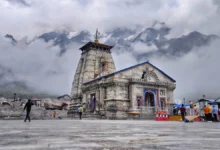
- Temple freshly reopens — religious ceremonies are frequent and the atmosphere is charged.
- Stable, dry weather most days; trekking trail from Gaurikund to Kedarnath (≈16 km) is usually in good condition.
- Lower chance of heavy rain or landslides than July–August; clearer mountain views.
Cons:
- Nights can still be cold at altitude (carry warm layers).
- Early season means some base-camp accommodations may be just opening — book ahead.
2) Late September → Mid-October (also excellent)
Pros:
- Post-monsoon air is clear — spectacular views of snow-capped ranges.
- Temperatures are pleasant during the day for trekking; fewer insects.
Cons:
- Nights get much colder and there’s increasing chance of early snowfall toward late October.
- With the end of season approaching, services and helicopter operations may start tapering; verify helicopters and lodgings.
3) Monsoon (July → August) — generally avoid
- Heavy rains trigger landslides and road/rail disruption. If you must travel in this period (fewer crowds), build in large buffer days, and be prepared for cancellations.
4) Winter (late Oct → April) — temple closed
- Access to the temple is not available; the region is cut off by snow.
Helicopter vs Trek: what to choose in 2026
Helicopter services to Kedarnath are hugely popular and run by authorized operators (bookings typically routed through official portals such as the IRCTC Heliyatra platform and government tenders/announcements). For 2026, helicopter operations and booking windows are announced seasonally — check IRCTC’s heliyatra and the BKTC portal for the live schedule and booking process. Helicopters offer speed and a different experience, but bookings sell out quickly during opening/close festivals and weekends.
Trekking from Gaurikund → Kedarnath (≈16 km one way) remains the classic option: strenuous but deeply rewarding. If you’re fit and the weather window is stable (recommended windows above), trekking offers a more authentic pilgrimage.
Permits, registration & important contacts
- The temple/Char Dham authorities require yatra registration, and Uttarakhand’s official portals list registration forms, biometric requirements and helpline numbers. Register early and carry original ID proofs.
- Helicopter bookings must be through authorized channels (IRCTC Heliyatra or government portals). Avoid third-party scams and unofficial sellers.
Weather expectations (month by month)
- April (late) – May: Day temps 5–15°C at Kedarnath; cool to cold nights. Generally stable weather after reopening.
- June: Warming slightly; trail pleasant but monsoon onset can be patchy in late June.
- July–August: Monsoon — heavy rain, cloud cover, and landslide risk. Not recommended for non-essential travel.
- September–October: Post-monsoon clarity; best for photography and high-visibility views, but nights are colder and days shorter.
Safety, acclimatization & health
- Altitude: Kedarnath sits at ~3,584 m. Even if you’re acclimatized at lower hills, ascend gradually, hydrate, and rest for at least a day if possible before the final trek. Symptoms like headache, nausea, dizziness require immediate descent and medical attention.
- Emergency services: The BKTC and local authorities provide medical camps and rescue services during yatra season. Carry a basic first-aid kit and consult your doctor if you have cardiac/respiratory conditions.
- Weather caution: Mountain weather changes fast. Keep waterproof layers and windproof jackets handy.
Practical planning & packing checklist
Essentials:
- Valid photo ID (Aadhaar/passport/driving license) and a couple of photocopies. Register on official portal.
- Sturdy trekking shoes, gaiters, trekking pole.
- Warm layers (fleece, down jacket), thermal underwear, woolen cap, gloves.
- Rainproof shell and waterproof cover for bags (monsoon or sudden showers).
- Sunscreen, sunglasses (UV is strong at altitude).
- Personal medicines, blister plasters, ORS sachets.
- Headlamp, power bank, and copies of hotel/heli booking confirmations.
- Small offerings/pooja items per temple rules; check BKTC guidance on permitted items.
Sample 4-day itinerary (by trek)
Day 1 — Arrive Rudraprayag/Phata/Guptkashi, overnight (acclimatize).
Day 2 — Drive to Gaurikund, trek to Sonprayag/Phata or rest at Gaurikund depending on pace.
Day 3 — Trek Gaurikund → Kedarnath (16 km). Darshan and stay.
Day 4 — Return trek to Gaurikund, drive to Rishikesh/Haridwar for onward journey.
(If using helicopter, replace the long trek day with a morning heli to Kedarnath and a return heli or trek down on a different day. Book helis in advance through official IRCTC Heliyatra bookings.)
Crowds, festivals & photographic moments
- Opening day and major Shiva festivals (e.g., Mahashivratri-related ceremonies around opening) draw large crowds. If you want a quieter darshan, avoid the exact reopening day and festival dates; if you want to witness the rituals, plan around them.
- Post-monsoon (September) gives the clearest photography — snow on peaks, green valleys and clean river flows.
Environment & responsible travel
Kedarnath’s fragile alpine ecosystem needs careful stewardship. Carry back all non-biodegradable waste, use refillable water bottles where safe, respect local rules on plastic and noise. Lodge and helicopter operators have increasingly been asked to follow green guidelines — favor operators who publish environmental practices.
Final checklist before you book (do this in 2026)
- Confirm the official temple opening and closing dates on the BKTC / Uttarakhand portal — they publish the final calendar and registration links.
- If you need a helicopter, book through IRCTC Heliyatra or other authorized gateways as soon as bookings open.
- Check weather/climate forecasts for your chosen window and allow buffer days for road/helicopter delays (especially during monsoon months).
- Register on the official Char Dham / yatra portal and carry ID proofs.
In short
For most solo pilgrims and families the best time for Kedarnath Dham Yatra in 2026 is the weeks immediately after the official reopening (from 22 April 2026) through mid-June, and as a second excellent window late September through mid-October. These windows balance accessibility, good weather and temple availability. Book accommodations and (if needed) helicopter seats early, register on official portals, and prepare for cold nights and high-altitude trekking.