
Senior year is packed with milestones, and the senior picture session is one photo album’s worth of memories condensed into a single afternoon. Parents spend money on the perfect outfit, the right photographer, and a flattering location. But there’s one detail that often gets overlooked until it’s too late: what the senior has been eating and drinking in the weeks leading up to picture day.
Teeth stain gradually, and most people don’t notice the buildup until they see it magnified in a high-resolution photo. By then, there’s no undo button. The good news is that most staining culprits are everyday items sitting in your fridge or pantry, and avoiding them (or managing them properly) is easier than it sounds.
Why Teeth Staining Sneaks Up on You
Quick answer: Tooth staining happens because porous enamel absorbs pigments from food and drinks over time, and the effect builds gradually rather than appearing overnight.
Enamel isn’t as smooth as it looks. Under a microscope, it has tiny ridges and pores that trap color compounds called chromogens. Every cup of coffee or glass of red wine leaves a faint residue behind. One cup won’t ruin a smile, but months of daily exposure add up.



This is why staining is easy to miss in the mirror but obvious in photos. Camera flashes and studio lighting highlight contrast, and a yellow or gray tint on teeth stands out far more in a portrait than it does in everyday life.
The Biggest Food Offenders
Certain foods are notorious for leaving pigment behind, and a few are surprising.
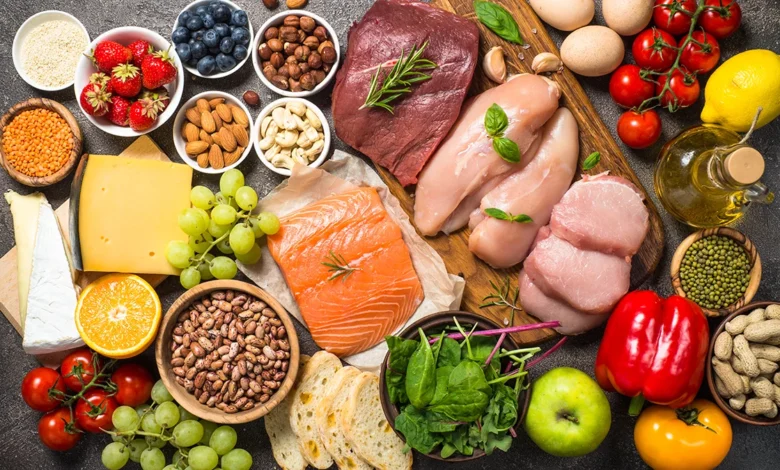
Berries — Blueberries, blackberries, and pomegranates are loaded with deeply pigmented compounds. They’re healthy, but their dark juice clings to enamel.
Tomato-based sauces — Marinara, pizza sauce, and ketchup are acidic and richly colored, a combination that makes staining worse because acid softens enamel and makes it more receptive to pigment.
Curry and turmeric-based dishes — Turmeric is one of the most staining spices in the culinary world, thanks to its intense yellow-orange pigment.
Balsamic vinegar — Dark, syrupy, and often overlooked, balsamic vinegar sits on teeth longer than most people realize, especially in salad dressings.
Beets — Similar to berries, beets carry a strong natural dye that transfers easily to enamel.
A common mistake is assuming only “junk food” causes staining. In reality, some of the healthiest foods on a senior’s plate are the biggest culprits.
The Beverage Watchlist
Quick answer: Coffee, tea, dark sodas, red wine, and sports drinks are the most common staining beverages because they combine dark pigment with frequent, prolonged contact with teeth.
Coffee and black tea are the classic offenders, largely because they’re consumed daily and often sipped slowly over 20 to 30 minutes, giving pigment extra time to settle. Herbal teas aren’t automatically safe either; hibiscus and berry-based blends can stain just as much as black tea.
Dark sodas contain both coloring agents and acid, a combination dental professionals often flag as particularly damaging. Sports drinks and energy drinks are frequently overlooked because they seem “healthier” than soda, but many contain artificial dyes and high acidity that erode enamel and make staining worse.
Red wine is an obvious one, but white wine deserves a mention too. It’s highly acidic and can actually make teeth more vulnerable to staining from other foods and drinks consumed afterward.
Myth vs. Fact: Common Misconceptions
Myth: Only dark-colored drinks stain teeth. Fact: Acidity matters as much as color. White wine and citrus fruits soften enamel, making it easier for other pigments to stick.
Myth: Brushing right after eating undoes the damage. Fact: Brushing immediately after acidic foods can actually harm softened enamel. Dentists generally recommend rinsing with water and waiting about 30 minutes before brushing.
Myth: Whitening toothpaste alone can reverse months of staining before a photo shoot. Fact: Whitening toothpaste removes surface residue, but it can’t address staining that has settled deeper into enamel. That usually requires a professional treatment.
A Simple Pre-Photoshoot Timeline
Planning ahead makes a noticeable difference. Here’s a practical approach many families use in the weeks before senior pictures:
- 4–6 weeks out: Schedule a professional cleaning to remove built-up plaque and surface stains.
- 2–3 weeks out: Cut back on the biggest offenders — coffee, dark soda, red sauces, and berries — without eliminating them entirely.
- 1 week out: Use a straw for staining beverages when possible, since it reduces contact between liquid and front teeth.
- Day before: Stick to lighter-colored, less acidic foods, and stay hydrated with plenty of water.
- Photo day: Bring a travel toothbrush for a quick touch-up beforehand, especially if there’s a meal scheduled before the session.
When Professional Help Makes Sense
For some families, lifestyle tweaks aren’t enough, especially if staining has built up over years rather than weeks. A professional cleaning removes tartar and surface stains that brushing alone can’t touch, and it’s often the single most effective step before a big photo session.
Some teens also feel anxious about dental visits, which can lead to putting off cleanings until it’s too late to make a difference before picture day. In those cases, sedation dentistry in Oregon City can make it much easier for anxious patients to get the cleaning or treatment they need comfortably, without the stress derailing the plan.
Whitening treatments are another option worth discussing with a dentist, particularly if staining is stubborn or has built up over a long period. Over-the-counter kits can help with mild surface stains, but professional treatments tend to produce more even, predictable results, which matters a lot when the goal is a natural-looking smile in photos rather than an artificially bright one.
Cost and Value Considerations
A professional cleaning is generally far less expensive than a full whitening treatment, and it’s often enough on its own if the staining is mild to moderate. Whitening treatments cost more but deliver more dramatic results for teens with years of buildup or naturally darker enamel.
Families weighing the two should consider timing as much as budget. Cleanings can typically be scheduled and completed within a single short visit, while some whitening treatments involve multiple sessions or take-home trays used over one to two weeks. Booking early avoids the scramble of trying to fit in a last-minute appointment.
Conclusion
The foods and drinks that dull a smile before senior pictures aren’t exotic or unexpected — they’re everyday staples like coffee, tomato sauce, berries, and soda. The staining happens gradually, which is exactly why it’s easy to overlook until it shows up in a photo that’s meant to last a lifetime.
The most useful takeaway is timing: small adjustments a few weeks out, paired with a professional cleaning, go a lot further than any last-minute fix on the morning of the shoot. A little planning turns a common, avoidable problem into a non-issue, letting the photos capture the smile everyone actually wants to remember.