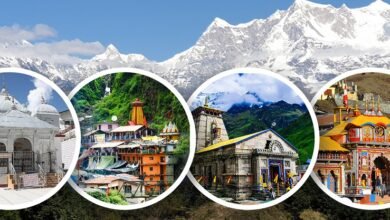
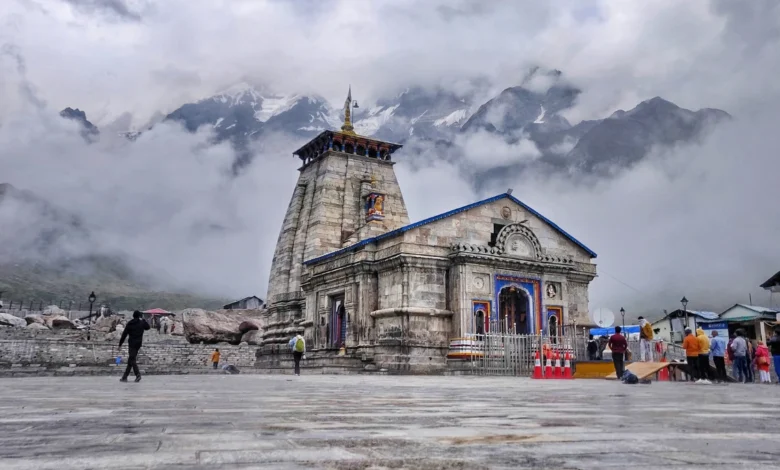
The Kedarnath yatra is a deeply spiritual journey framed by spectacular high-altitude scenery — but it also throws predictable problems at pilgrims. This guide lists the common issues you’re likely to meet on the way to Kedarnath and gives concrete, actionable fixes so your pilgrimage is safer, smoother and more meaningful. (Temple season note: the shrine generally opens in spring and closes in winter; official yearly opening dates are announced by authorities. )
1) Unpredictable weather, landslides and flash floods
Why it happens: The Kedarnath valley sits in steep, geologically active terrain. Cloudbursts, rapid snowmelt and debris flows have caused catastrophic damage in the past (notably the June 2013 floods that hit Kedarnath and nearby settlements). Heavy rainfall and terrain changes can close roads and wash away trails.
Fixes & practical tips
- Time your yatra: travel in the safe windows (late May–June and September–early November) when the temple is open and monsoon risk is lower. Check the official opening/closing and local weather advisories before you leave.
- Watch local forecasts: use IMD alerts and local police/forest department warnings. If heavy rain is forecast, postpone — don’t push on.
- Use reputable transport and guides: drivers and local operators know which roads are reliable and which stretches flood easily; follow their advice.
- Emergency plan: keep copies of ID, emergency contacts, and the numbers of the nearest NDRF/ITBP posts and local police. Carry a small headlamp, waterproof pack and a lightweight emergency blanket.
- Accommodation flexibility: plan buffer days in your itinerary in case roads close; avoid tight same-day connections.
2) Altitude sickness (AMS), breathlessness and fatigue
Why it happens: Kedarnath sits around 3,584 metres (≈11,759 ft). Rapid gain from low altitudes and strenuous trekking can trigger headaches, nausea, sleep disturbance and breathlessness. Even fit people can be affected.




Fixes & practical tips
- Acclimatize: spend a night at intermediate points (e.g., Sonprayag/Guptkashi) instead of ascending in one day. Walk slowly; follow the “climb high, sleep low” idea where practical.
- Hydrate and eat light: dehydration worsens AMS. Sip water frequently, avoid alcohol the day before and during ascent.
- Know medication basics — consult your doctor: acetazolamide (Diamox) is commonly used to prevent/treat AMS in trekkers but must be prescribed and taken as advised. If symptoms of AMS (severe headache, vomiting, confusion, loss of coordination, shortness of breath at rest) appear, stop ascent and descend immediately; seek medical help. Use authoritative guidance (e.g., CDC/Wilderness Medicine) when deciding medications.
- Carry a basic first aid kit and a pulse oximeter (useful to monitor O₂ saturation but don’t rely on it alone).
- Extra rest days: factor in rest days rather than forcing a single-day push.
3) Tough trek sections, fitness and lack of preparation
Why it happens: The trail from Gaurikund to Kedarnath includes steep, rocky sections, and the last few kilometers are especially taxing for untrained pilgrims. Overexertion causes injuries and exhaustion.
Fixes & practical tips
- Train beforehand: 4–6 weeks of walking, stair climbing and cardio will pay dividends. Practice with a loaded daypack.
- Pace yourself on the trail: short frequent breaks beat one long slog. Use trekking poles to reduce knee strain.
- Hire help if needed: palki/pony/porter services exist for those who can’t complete the walk (confirm price and condition up front). Use licensed porters and ask your provider for the porter’s ID or registration.
- Wear the right gear: broken-in hiking boots, layered clothing, waterproof shell, breathable base layers and a comfortable daypack.
4) Overcrowding, long queues and limited darshan time
Why it happens: Kedarnath’s short open season concentrates pilgrims into a few months, creating queues for darshan, accommodation and local transport. Peak days (festivals, weekends) are most crowded.
Fixes & practical tips
- Avoid peak days if possible: plan darshan on weekdays or early morning/late evening time slots when crowds thin.
- Pre-book accommodation and helicopter seats during peak season. If you want darshan with less waiting, consider a pre-booked group darshan or special sewa options (managed by local authorities).
- Pack patience: expect waits and keep water/snacks/portable charger handy.
5) Road closures, traffic jams and last-mile transport headaches.
Why it happens: Narrow Himalayan roads, landslides, or heavy tourist inflow can close or slow the approach routes (e.g., the road to Gaurikund/Sonprayag). Traffic management is routinely active in festival season.
Fixes & practical tips
- Start early and leave cushion time: don’t book immediate onward travel on the same day as arrival/departure.
- Keep alternate routes in mind: ask local tour operators for contingency plans if the main road is blocked.
- Use official transport updates: check Uttarakhand traffic and district police bulletins.
6) Limited mobile network, cash/ATM and payment issues
Why it happens: Network coverage is weak or intermittent in valleys; ATMs are limited and may be out of cash during peak season.
Fixes & practical tips
- Carry enough cash: keep small denominations for tips, tea/tea-stalls, porter services and small purchases.
- Offline maps & printed directions: download offline maps, save helpline numbers, and keep a paper copy of hotel/permit details.
- Power: carry a portable battery pack; charge devices when you can.
7) Accommodation & hygiene concerns
Why it happens: Small seasonal guest houses and camps can be crowded; hygiene and hot water may be limited.
Fixes & practical tips
- Book early: reserve stays in Sonprayag, Rambara or Kedarnath town ahead of time during peak season.
- Expect basic facilities: carry quick-dry towel, biodegradable wet wipes, hand sanitizer, and thermos for hot water.
- Food safety: stick to hot, freshly cooked food. Prefer local, busy eateries (higher turnover reduces spoilage risk).
8) Scams, overcharging and unethical portering practices
Why it happens: Pilgrims can be targeted by touts, unofficial guides, or overcharging porters — especially when crowds are large.
Fixes & practical tips
- Use licensed services: book through registered tour operators, official helicopter counters and government-recognized porter cooperatives.
- Fixed price and receipts: insist on printed receipts for helicopter bookings, accommodation and vehicle hires. Agree on porter/palki/pony rates in advance.
- Ask your hotel or local police for official porter lists and complaint mechanisms.
9) Medical emergencies and limited local healthcare
Why it happens: Remote, high-altitude terrain limits immediate access to advanced medical care. Severe AMS, fractures, or cardiac events require evacuation.
Fixes & practical tips
- Travel insurance: purchase policy that explicitly covers high-altitude trekking and emergency helicopter evacuation. Check exclusions carefully.
- Register with authorities: some districts allow you to register your trip; local police or tour operators can help.
- Carry a compact medical kit and know the location of the nearest medical post or rescue centres on your route. Keep photocopies of prescriptions and medical history.
10) Permit confusion and seasonal rules
Why it happens: Rules for parking, entry, parking, and helicopter services are updated frequently; local authorities may restrict pilgrim numbers on short notice.
Fixes & practical tips
- Check official portals: confirm permit and fee requirements on Uttarakhand tourism/district websites before travel.
- Helicopter and entry bookings: book directly from official counters or verified portals and keep printed confirmations.
Quick packing checklist (must-haves)
- Trekking boots, gaiters, trekking poles.
- Layered clothing + waterproof shell.
- Headlamp, power bank, spare charging cable.
- Basic first aid kit, blister plasters, prescribed meds.
- Copy of ID, printed hotel and booking confirmations, emergency numbers.
- Lightweight rain cover, small emergency blanket.
- Snacks, ORS packets, water bottle with filter or purification tablets.
Final checklist for a safer yatra
- Choose the right season and build buffer days.
- Acclimatize — don’t rush the ascent; consult a doctor about preventive medication if you’re prone to AMS.
- Book verified services (transport, hotels, helicopters) and carry enough cash.
- Prepare a flexible emergency plan (insurance, contacts, descent strategy).
- Respect local instructions and rescue advisories — they’re designed to keep you alive.
Kedarnath is both spiritually rewarding and physically demanding. With a bit of planning, common sense and respect for mountain rules, most problems are avoidable or manageable.