
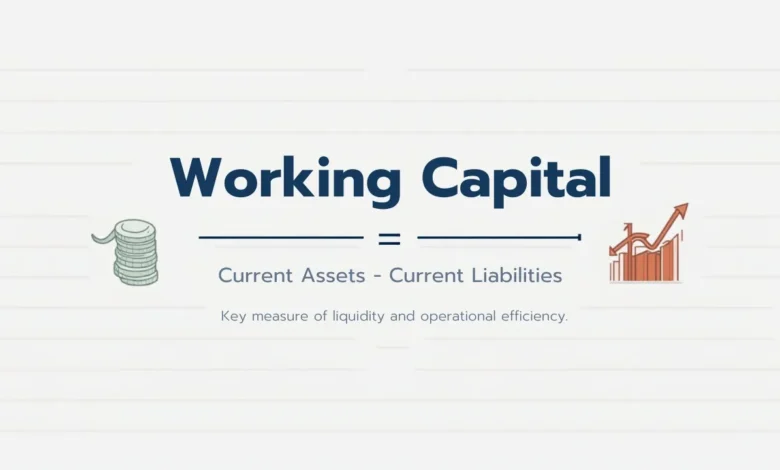
Sustained cash flow forms the foundation of business stability. Even profitable firms face insolvency if working capital is locked up in receivables or illiquid inventory assets. Mastering liquidity management requires efficient operational processes, disciplined cash forecasting, and flexible financial tools tailored to day-to-day business demands.
Accelerating Receivables and Cash Conversion Cycles
The duration between spending cash on raw materials and collecting cash from customer sales directly impacts organizational liquidity. Reducing this duration increases operational freedom without taking on unnecessary long-term debt.
Receivable Monetization Strategies
Extended payment terms demanded by large enterprise buyers often strain supplier cash reserves. Factoring accounts receivable or setting up invoice discounting programs allows firms to access funds immediately. Integrating ACF techniques helps companies convert unpaid invoices into working capital to meet operational expenses.
Streamlining Collection Operations
Automating invoicing procedures, standardizing credit term reviews, and offering early payment discounts accelerate cash collections. Eliminating administrative delays in customer billing reduces outstanding payment days and decreases reliance on short-term borrowing.




Inventory Management and Supply Chain Liquidity
Excess inventory locks up capital that could be deployed toward core business growth, while inadequate inventory risks lost sales and client dissatisfaction. Achieving balance requires operational coordination alongside tailored trade finance solutions.
Just-in-Time Procurement Frameworks
Aligning material purchases directly with production plans reduces raw material storage overhead. Implementing collaborative vendor frameworks enables companies to purchase inventory closer to the point of production, conserving operational cash.
Supply Chain Finance Programs
Establishing supply chain funding programs offers suppliers access to early payments based on the buyer’s credit standing. This structure strengthens vendor relationships, reduces supply disruption risk, and supports favorable buyer payment schedules.
Strategic Cash Forecasting and Liquidity Reserves
Uncertain cash flow leads to reactive decision-making and elevated borrowing costs. Implementing disciplined short-term and medium-term liquidity forecasting enables leadership teams to navigate market swings calmly.
Scenario-Based Liquidity Modeling
Constructing cash flow projections that model stress scenarios like delayed payments, market demand drops, or supplier price increases allows companies to establish clear emergency protocols.
Managing Short-Term Credit Facilities
Revolving credit lines and short-term working capital facilities provide essential financial buffers. Reviewing facility terms regularly ensures credit limits expand in tandem with corporate sales growth.


